
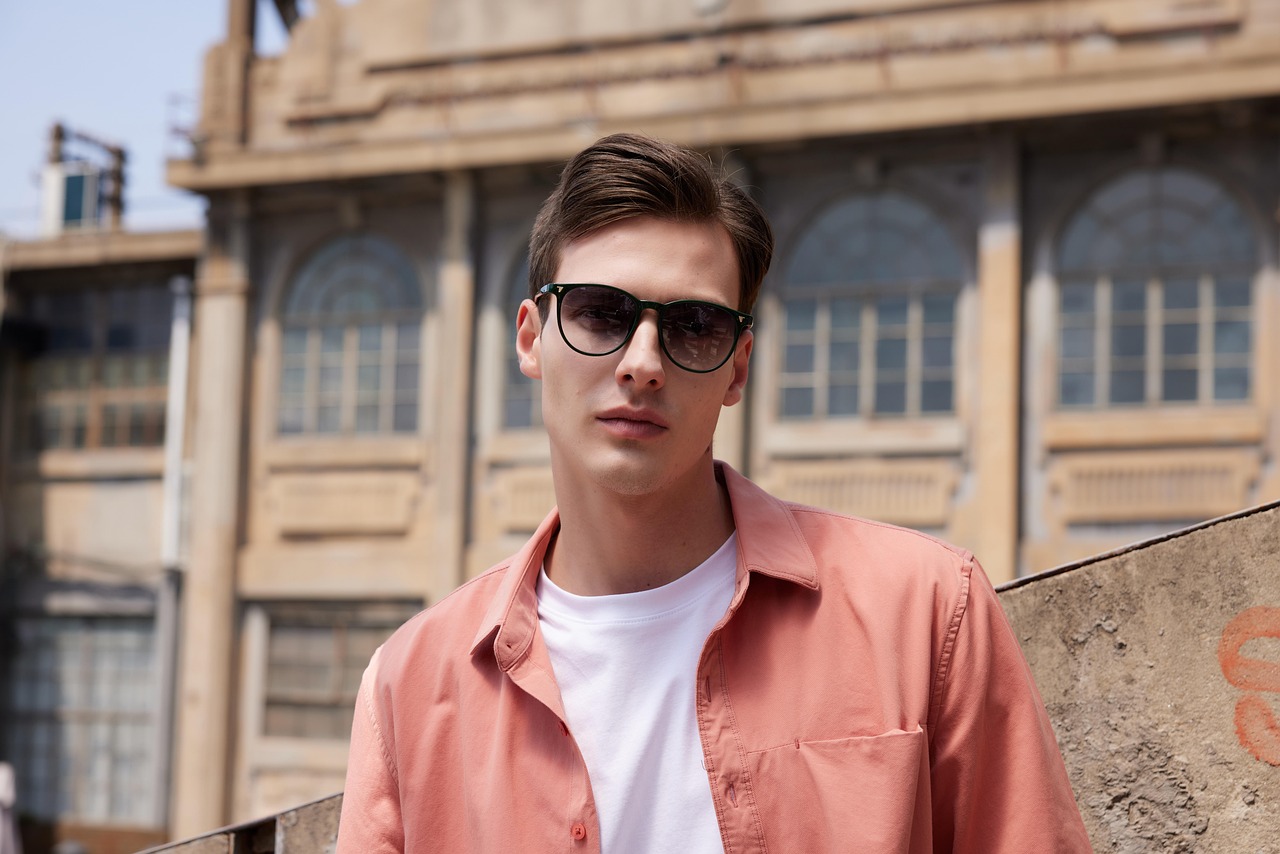
For decades, the fashion industry focused on aesthetics over accessibility, creating a significant gap for men who needed functional yet stylish clothing. Thankfully, that narrative is shifting. Adaptive fashion—a once overlooked niche—is now making its way onto mainstream runways, brand lookbooks, and store shelves. This movement is about more than just inclusive clothing. It’s about redefining style to include everybody, every ability, and every walk of life.
Fashion That Fits All Forms
Men’s fashion has long leaned on standard fits and fast trends, often excluding those with different physical needs. Today, that tide is turning. Designers and brands are finally responding to the call for clothes that are both fashion-forward and functional. In a world where style meets accessibility in menswear, features like magnetic closures, seated wear cuts, and sensory-friendly fabrics are becoming standard in collections that look just as sharp as any high-street brand. The focus is no longer just on what looks good on a runway—it’s also about what feels right for real people in everyday life.
From Niche to Necessity
Adaptive menswear isn’t just a novelty anymore—it’s a necessity. As awareness grows around different types of physical ability and mobility, the demand for inclusive fashion solutions has surged. No longer are these garments hidden in obscure catalogs or tucked into specialty stores. They’re available through major retailers and independent labels alike, catering to a market that’s been underserved for far too long. This new direction proves that style doesn’t need to compromise on comfort or practicality.

Influencers and Icons Leading the Way
Representation matters—especially in fashion. Influencers and public figures with disabilities are now playing key roles in shaping how adaptive clothing is perceived. Whether they’re walking the runway, starring in ad campaigns, or sharing personal style online, these voices are showing the world that adaptive style isn’t about limitations—it’s about expression. Their visibility helps normalize adaptive wear, proving it belongs in every man’s wardrobe, not just in specialized circles.
Innovation in Every Stitch
The innovation happening in adaptive menswear is impressive. Designers are using tech-driven fabrics, reimagined silhouettes, and creative tailoring to deliver solutions that work for people with a range of needs. Think dress shirts that open with magnets, pants designed for ease of use while seated, and outerwear with one-handed fasteners. These thoughtful design changes go a long way toward making fashion more inclusive without sacrificing edge or elegance. They show how style and function can—and should—coexist.

Building Confidence Through Clothing
Style has always been a powerful tool for self-expression and confidence. For men who may have previously struggled to find clothing that accommodates their needs, the rise of adaptive fashion is more than convenient—it’s empowering. When your clothes fit well, feel comfortable, and reflect your personality, it can make a world of difference in how you carry yourself. Adaptive menswear is helping more people feel seen, valued, and stylish—just as they are.
Adaptive style is no longer an afterthought in men’s fashion—it’s a force of change. As more designers embrace inclusivity, and as demand for functional yet stylish clothing grows, the fashion world is becoming a more welcoming place for everyone. Rewriting the runway means designing with intention, championing diversity, and putting real people at the center of style. And it’s only just getting started.

 Thick hair is often seen as a blessing. It provides the volume and body that many people crave. You can easily create stunning hairstyles, from bouncy curls to sleek updos, without worrying about flatness. However, thick hair comes with its own set of challenges. It can be heavy and harder to manage than fine hair. Styling may require more time and effort, especially when dealing with tangles or frizz. Heat styling tools also have a hard time penetrating through those dense strands, which can lead to uneven results. Additionally, finding the right products is crucial; not all shampoos or conditioners are suitable for thicker textures.
 First, let’s talk about the infamous frosted tips – a trend that some may want to forget but will forever be etched in the deepest annals of 90s fashion. Characterized by bleaching the tips of one’s hair to create a sun-kissed effect, this look was once sported by heartthrobs and boy bands alike.
  Last but not least, let’s talk about a trend that really made us all cringe – visible thong straps. If you’re like me, when seeing your old Facebook posts in the early 2000s, you’ll simply cringe at people’s praise of this trend.