Casual style has become the everyday uniform for most men, but “casual” doesn’t have to mean sloppy or boring. With the right approach, your daily outfits can feel relaxed while still looking intentional and refined. The good news? You don’t need a closet full of expensive clothes to pull it off. You need a few strategic choices, an understanding of fit, and a bit of personal flair. This guide breaks down exactly how to elevate your casual look without sacrificing comfort.
Understanding the Foundations of Modern Casualwear
You can’t build great style without knowing the basics, and that begins with your core wardrobe. Simple pieces like well-fitted T-shirts, structured jackets, and clean sneakers create a reliable foundation that works in nearly any setting. Many men overlook how powerful classic, neutral pieces can be when combined thoughtfully. Milano Style’s blueprint for mastering everyday menswear elegance emphasizes quiet sophistication over loud statement trends. Mastering the essentials helps you express personal style without overcomplicating your daily outfits.
Why Fit Matters More Than Anything
The truth is, even the nicest clothes fall flat if they don’t fit properly. A plain T-shirt that follows your natural shape will always look better than a flashy shirt that hangs at the waist or pulls at the shoulders. The same goes for jeans: aim for a slim or straight fit that flatters your frame without feeling restrictive. Paying attention to proportions can instantly elevate your style—and it doesn’t cost more money. Once you understand how clothing should sit on your body, shopping becomes easier, and your wardrobe starts working for you instead of against you.
Choosing Quality Fabrics for Comfort and Longevity
Great style shouldn’t just look good; it should feel good too. Investing in quality fabrics ensures your clothes last longer, drape better, and stay comfortable all day. Cotton, merino wool, linen, and lightweight denim are timeless staples for a reason—they breathe well and age gracefully. Even casual wear can benefit from slightly elevated materials, especially when it comes to outerwear or everyday knits. When you prioritize quality, your wardrobe naturally looks sharper without feeling overdone.
The Power of Layering in Men’s Casual Style

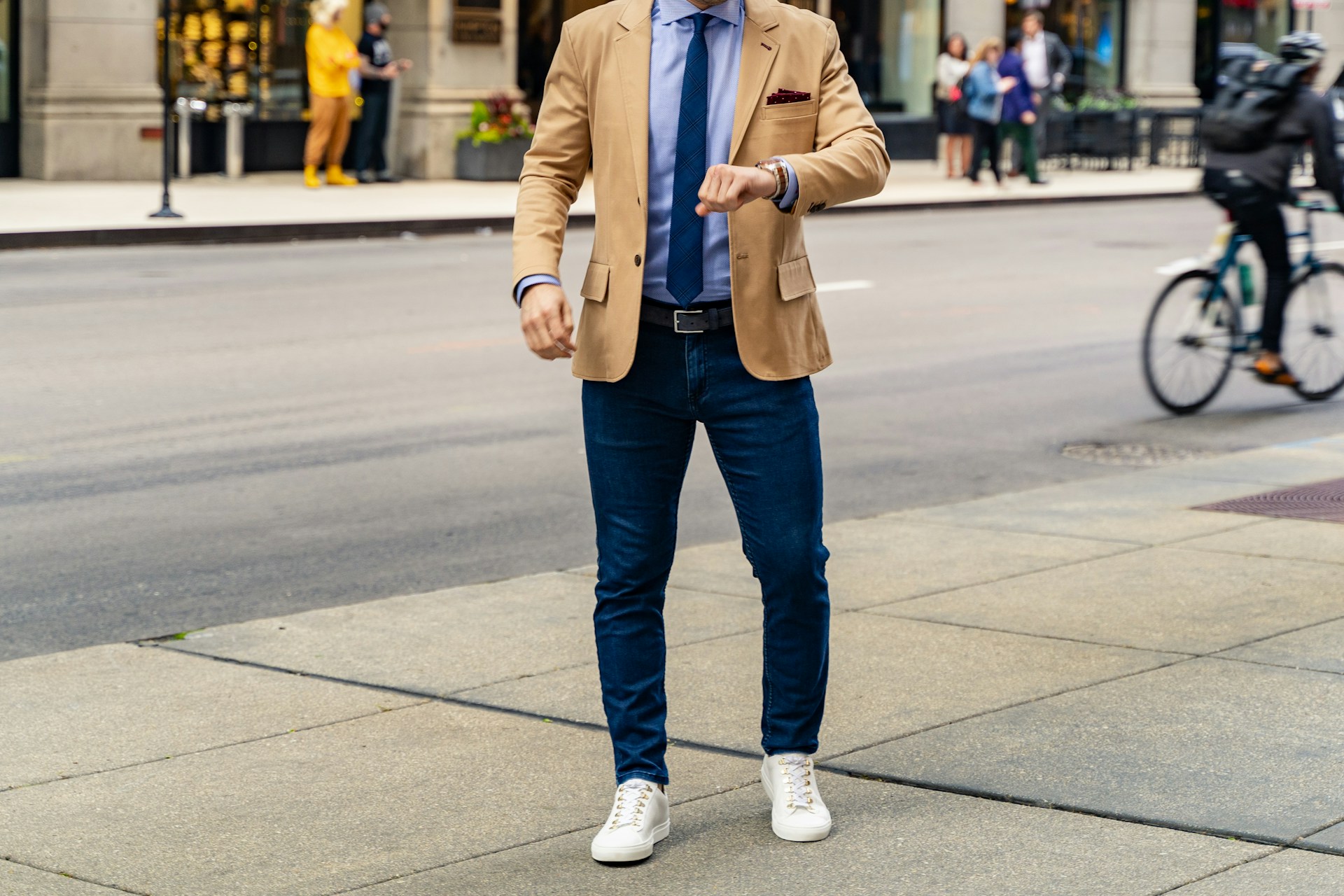
Layering is one of the easiest ways to add depth and personality to an outfit. A simple hoodie under a structured jacket, a lightweight overshirt over a tee, or a sweater paired with chinos can turn a basic look into something effortlessly stylish. The key is balance: mix textures, vary thicknesses, and choose colors that complement each other rather than compete. Layering also helps you adapt to different temperatures and settings, making your wardrobe more functional without sacrificing style.
How Footwear Shapes Your Entire Look
Shoes may be the last thing you put on, but they often make the strongest impression. Clean, minimal sneakers work for most casual outfits, while leather boots or loafers add just the right amount of refinement when you want to dress things up slightly. Even in relaxed situations, scuffed or overly worn shoes can throw off an otherwise sharp look. Keeping a couple of versatile, well-maintained pairs ensures your outfit always feels intentional from top to bottom. Remember, people notice footwear more than you think.
Adding Personality Through Accessories
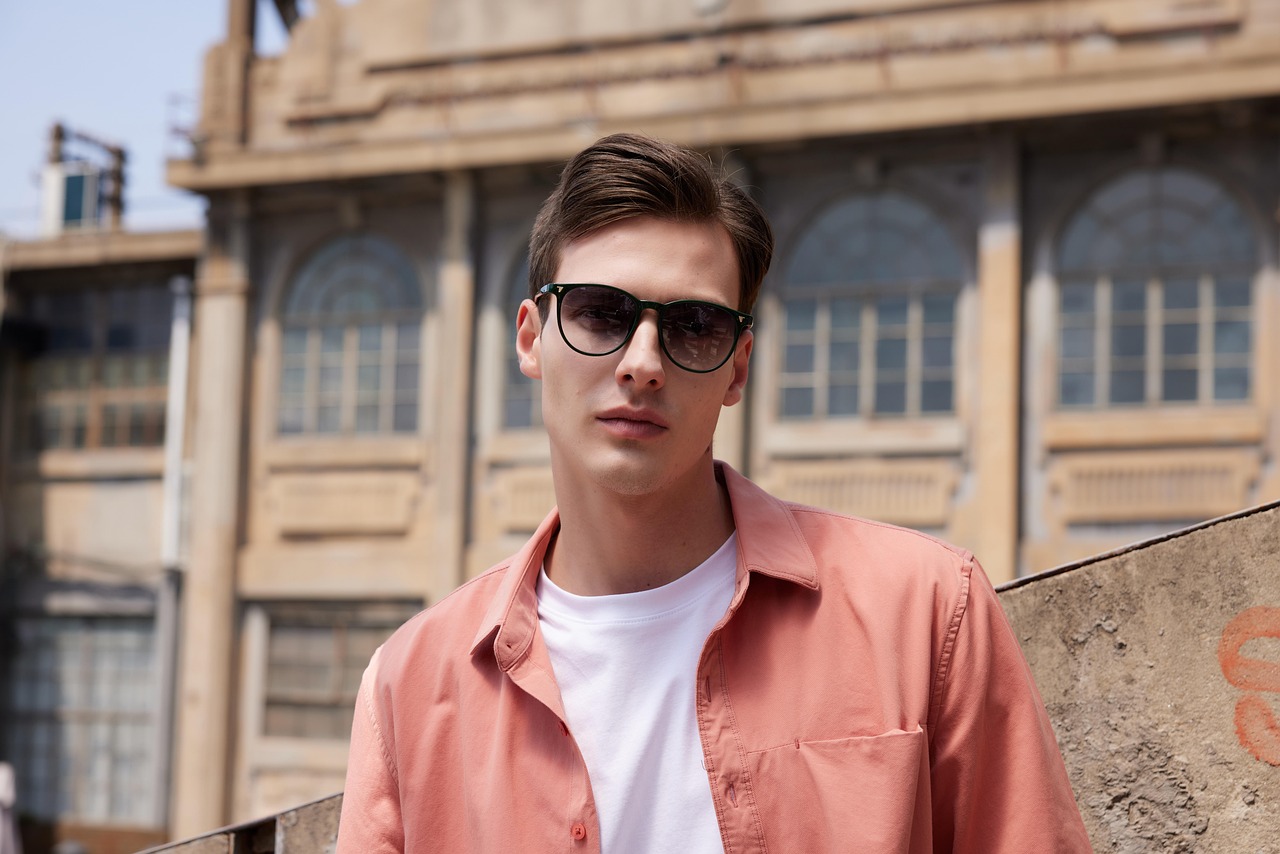
Accessories are the final layer that brings a casual outfit together. A sleek watch, a subtle bracelet, or a well-chosen belt can elevate your look without feeling flashy. Sunglasses and hats add practicality while enhancing your personal style. The trick is choosing pieces that reflect who you are. You don’t need to pile on accessories; even one thoughtful detail can make your outfit feel complete. These small elements show confidence and creativity, which are essential parts of effortless style.
Mastering casual style isn’t about chasing trends or rebuilding your entire wardrobe. It’s about choosing well-fitting basics, investing in quality fabrics, and layering thoughtfully to create a look that feels authentic to you. When you pay attention to the details—your shoes, your accessories, the way your clothes fit—your everyday style naturally becomes more refined. With a few intentional choices, you can look sharp, confident, and effortlessly put together every day.